Posted on . 06th July 2025
"Ajith Kumar Didn’t Die — He Was Tortured to Death" Echoes of George Floyd in Tamil Nadu’s Custodial Horror
Tamil Nadu’s Deepening Custodial Crisis Echoes the Tragedy of George Floyd
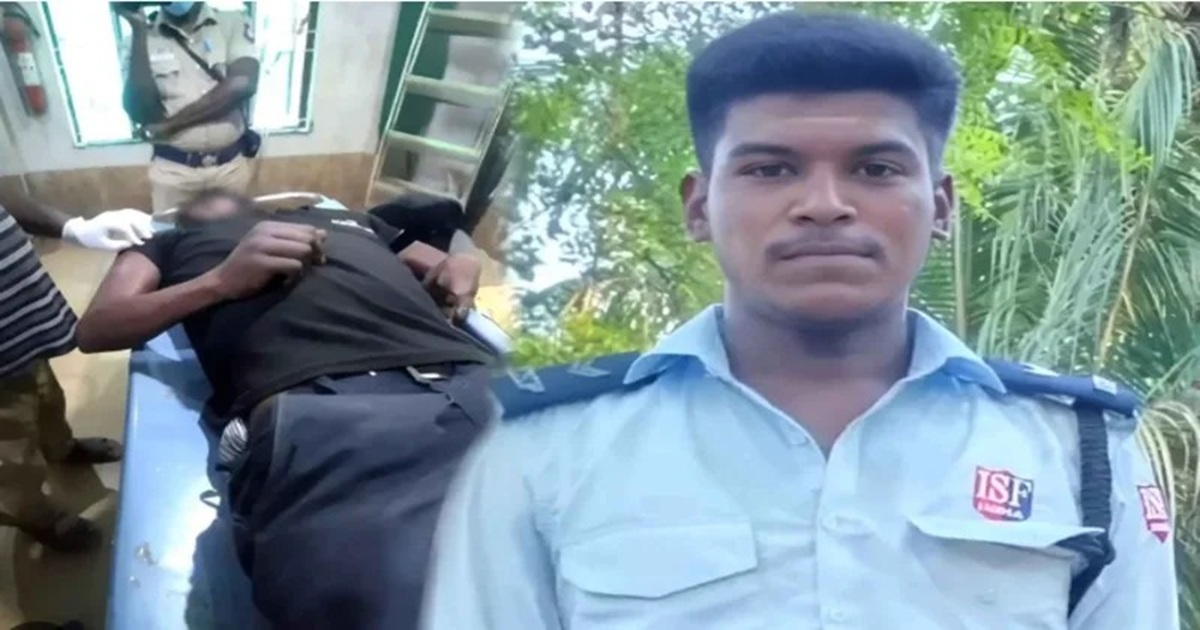
Ajith Kumar was not a criminal. A 27-year-old from Madappuram near Thiruppuvanam in Tamil Nadu’s Sivagangai district, he worked as a contract watchman at the State-run Shri Badra Kaliamman temple. The eldest son of a widowed mother, and a school dropout from the backward Nadar caste, Ajith earned a modest income that supported his family, including his unemployed younger brother Vineeth. Until June 27, 2025, they lived a life of quiet dignity. One accusation of theft changed everything.
A Miscarriage of Justice
DSP Shanmugasundaram, now suspended, directed a special six-member crime squad led by head constable Kannan to recover the jewellery “at any cost.” Ajith, identified as a suspect without any concrete evidence or prior criminal record, was picked up along with his brother and two others. The team, avoiding official police stations and CCTV surveillance, allegedly interrogated them in isolated locations—village tank beds, abandoned buildings, and even behind a temple.
A Night of Torture
The ordeal that Ajith faced was horrific. He was brutally beaten with plastic pipes and wooden rods. His brother and other witnesses claimed Ajith passed blood in his urine, fainted, and suffered seizures during the beatings. He was eventually taken—unconscious—to a private hospital that refused to admit him. At the Thiruppuvanam Government Hospital, he was declared “brought dead.”
Instead of owning up to custodial violence, head constable Kannan filed an FIR claiming that Ajith died while trying to escape custody. Shockingly, Ajith had been unlawfully detained for over 40 hours with no warrant, no proper arrest record, and no formal FIR against him at the time.
The Post-Mortem Horror
The post-mortem, submitted to the Madurai Bench of the Madras High Court, revealed the extent of the third-degree torture Ajith endured:
- 44 external injuries, including 18 major wounds.
- Multiple internal haemorrhages in the brain, lungs, heart, abdomen, skull, and neck.
- Injuries to the vocal cords, pharynx, and larynx that led to fatal suffocation.
The court’s response was blunt and haunting:
“Even an ordinary murderer would not have caused this much injury to a person.”
Eyewitness Accounts and Public Outcry
Ajith's brother Vineeth testified to witnessing his brother's torture. A temple employee, Saktheeshwaran, secretly recorded a video of Ajith being thrashed—his cries captured on tape. Now fearing for his life, he has sought protection.
Public outrage erupted on social media and across Tamil Nadu. Petitions were filed, activists protested, and the judiciary stepped in. The Madurai Bench of the Madras High Court—Justices S.M. Subramaniam and A.D. Maria Clete—ordered an impartial probe and expressed shock at the state’s role. The court pointed out how police ignored Ajith’s mother’s complaint and delayed filing an FIR until July 1—days after Ajith’s death.
A Systemic Pattern of Violence
Human rights organisations, including People’s Watch and Evidence, condemned the killing as extrajudicial and illegal. Henri Tiphagne of People’s Watch called it a “flagrant violation” of every legal protection under Indian law. He also highlighted that 31 custodial deaths have occurred in Tamil Nadu in the last four years—not one has resulted in a conviction.
- Between 2019 and 2020, 490 custodial deaths were recorded—the highest in South India.
- As of Dec 31, 2022, 2,129 detentions had taken place—nearly half of India’s total.
- 38.5% of those detained were Dalits.
- 38% of custodial death victims were from marginalised or Muslim communities.
These aren’t isolated cases. The Sathankulam double murder and other recent instances highlight a deeply entrenched culture of impunity. The lack of laws specific to custodial torture, poor forensic procedures, and political interference ensure that officers go unpunished.
A Stark Comparison to the U.S.
Ajith’s death bears chilling resemblance to the murder of George Floyd in 2020. In Floyd’s case, the officers were convicted and sentenced. In India, rogue officers often face transfers or suspensions at best. The Indian justice system rarely imposes meaningful punishment for such crimes.
A Question to the Nation
Justice in Ajith Kumar’s case now rests with the judiciary and civil society. But the larger question remains:
Will India ever hold its law enforcers accountable for murder?
Or will we keep asking — How many more Ajith Kumars?
BABISHEIK
“We are not the first to share — but we will be the ones to verify and speak the truth.”



Leave a comment
By using form agree with the message sorage, you can contact us directly now